
The work ranges from advising engineers on a specific system to writing the policies a whole company follows. What matters day to day is conceptual precision (what does “fair” mean in this system?), evaluating arguments, and translating principles into decisions other people can act on.
The lay of the land#
Four kinds of employer hire here. Big tech companies have responsible-AI and policy teams sitting alongside the engineers. Consultancies and auditors check other companies’ AI systems. Policy institutes and non-profits work on the rules. And startups sometimes hire one person to cover all of it. Roles are advertised as AI ethics researcher, responsible AI analyst, AI policy analyst, AI governance manager or trust & safety analyst. Fresh graduates usually get in through research-assistant roles, fellowships, or volunteer communities like ForHumanity, which count as experience. A sensible start: take a free course, follow the field’s news, and publish something about the ethics of one concrete system.
Philosophers who’ve done it#
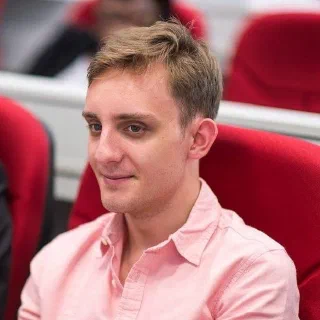
- Alessandra Fassio — our interview about getting into AI and data ethics (Part 1)
- Katie Evans — our interview about working in AI and data ethics (Part 2)
- Ravit Dotan, PhD — UC Berkeley philosophy PhD who advises startups and investors on AI ethics; spoke at our July 2022 workshop
From our events#
- From Philosophy to AI Ethics with Ravit Dotan (July 2022)
- Bioethics and Ethics Consulting for Tech Companies with Geoff Keeling (November 2021)
- Philosophy in the AI Industry (May 2021) and AI Ethics (April 2021)
Start here#
- Our two-part interview series on AI and data ethics careers
- ForHumanity: Embodying Everything We’ve Learned — how to get involved with the AI-auditing community ForHumanity, including their free Algorithm Ethics course
- Ravit Dotan’s starter resources — FAQs on starting out and how to follow the field
- The opportunities board — AI governance and policy roles appear there regularly
1,800+ philosophers get the Let's Phi newsletter: career stories, opportunities and resources for life beyond academia. It only goes out when there is something worth reading.
Subscribe freePrefer to browse first? Read the newsletter on Substack.